Dr. Judith Pentz: How Modern Life Is Overstimulating Your Nervous System & How Ayurveda Can Help


Audio only version
Show Description
An overstimulated nervous system is my chronic problem, and the problem of many of us in our current society with its 24/7 connectivity and therefore constant demands and stimulation. And that’s just tech. Not to mention other contributing factors such as disrupted circadian rhythms, lack of nature and natural light, lack of sleep, processed foods, pollutants in the air, water and soil, and nutritional deficiencies. Of all the interventions I have ever done to reset my nervous system, one found in the ancient practice of Ayurveda has proven to be the most effective – known as the queen of Ayurvedic cures, the Panchakarma is a prolonged nervous system reset and detoxification protocol with incredible results. I always come away completely reset and restored.
So I was thrilled to find a fellow aficionado from the medical world with data in her pocket, psychiatrist Dr. Judith Pentz , In this episode of the MindHealth360 Show, we sit down to explore what the ancient Indian healing system of Ayurveda can teach us about some of the most modern problems affecting our mental health – chronic stress, overstimulation, poor sleep, nervous-system dysregulation and our increasing difficulty creating space for genuine self-care.
Dr. Pentz’s journey into Ayurveda began after a health scare during perimenopause led her to experience Panchakarma, an intensive personalised Ayurvedic cleansing programme in India. What began as an attempt to support her physical health became something much deeper. She describes how repeated Panchakarma experiences affected not only her body, but also brought unresolved trauma, emotional patterns and questions of meaning and purpose to the surface. As a child and adolescent psychiatrist, she reflects on how many adults may carry wounds from childhood without fully recognising their impact.
Together, we explore Ayurveda’s highly personalised approach to health, including the doshas and the idea that modern life itself can push many of us towards imbalance through constant stimulation. Dr. Pentz explains why healing is not something that happens passively: sleep, food, breathwork, movement, boundaries, relationships and small daily rituals all influence how regulated and resilient we feel. We also explore the idea that physical cleansing, emotional processing and spiritual growth may be more connected than Western medicine traditionally assumes – and why sometimes the smallest “life-affirming choices” can be the beginning of meaningful change.
In this episode, you’ll learn:
- Why modern overstimulation can leave us with poor sleep, scattered thinking and a dysregulated nervous system.
- What Panchakarma is and how Dr. Pentz’s own experience brought unresolved trauma and emotional patterns to the surface, changing her understanding of healing.
- Why Ayurveda looks beyond symptoms to food, sleep, relationships, social connection, spirituality and daily habits.
- Why many adults carry unresolved childhood wounds without fully recognising their impact.
- How daily breathwork, sleep, movement and moments of quiet may have a cumulative effect on mental and physical health.
- Why self-care requires active participation and daily discipline, and how boundaries and relationships became part of Dr. Pentz’s own healing.
- Why disease prevention is something shaped by the choices we make everyday.
Take the conversation further at IMMH 2026
At the Integrative Medicine for Mental Health (IMMH) Conference 2026, Dr. Judith Pentz will take the ideas explored in this episode into greater clinical depth in her session:
Ayurveda and Personalized Medicine: The Power of Self-Care for Prevention and Longevity CE/CME presentation – exploring how Ayurvedic principles can complement modern psychiatry and lifestyle medicine, and how simple, consistent daily practices can support prevention, emotional balance, resilience and longevity.
Dr. Pentz will be joined by more than 50 leading clinicians and researchers exploring the latest approaches to integrative and functional mental health, including Dr. Robert Lustig and Dr. Elissa Epel on mitochondria, metabolism and the biology of stress; Dr. Emeran Mayer on the brain–gut–microbiome connection in healthy ageing; Dr. Leslie Korn on safely reducing or discontinuing psychiatric medication; and Dr. Ilene Naomi Rusk on nervous system regulation, resilience and brain health.
Taking place October 8–11 at the Town and Country Resort, San Diego – and online, IMMH 2026 offers up to 40 CE/CME and CPD credits, with 90-day on-demand access to revisit sessions you miss live.
About Dr. Judith Pentz
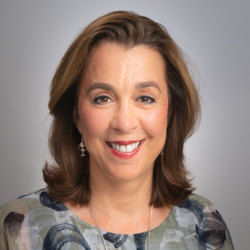
Judith E. Pentz, MD, is a holistic, alternative and integrative psychiatrist with board certification in child, adolescent and adult psychiatry. She seeks to combine the best of Western and integrative medicine for support of your mental well being. The goal is to be as gentle as possible and to stimulate the natural healing mechanisms that we all have in our body.
Some of the modalities may include orthomolecular, nutritional options, homeopathy, targeted amino-acid therapy, breathing techniques and meditation as well as other options. The integrative approach includes the spiritual and emotional part of our being, as well the mental and physical part of our being. Therapy is often necessary to support the many changes that are part of the integrative approach. This may include brief individual therapy, family therapy, or more intense, depth psychotherapy. Guidance towards the best integrative approach can be considered.
Shifting into being an educator, a wise person seeking to support your growth with tools to create your own path towards wholeness, Dr Pentz is teaching those motivated to make those internal changes towards a sense of wholeness, serenity and happiness
She contributed a chapter in Integrative Therapies for Depression: Redefining Models for Assessment, Treatment and Prevention, lending her voice to the growing body of work that shows there is a world beyond prescribing drugs. The book released Dec. 19, 2015, featuring her chapter on botanicals for depression.
Her new book, Cleanse Your Body, Return to Your Soul was released August 11, 2020. It is a prescriptive memoir about her trek to India for an ancient ayurvedic cleanse – panchakarma – that forged her path to her own healing. There are many tips about self care from the ayurvedic perspective.
Dr. Pentz attended the Medical College of Ohio at Toledo (MCOT) where she received her medical degree in 1985. The school’s name changed to the University of Toledo after a merging of resources. She completed her training at MCOT in child, adolescent, adult psychiatry in 1990. Board certification in adult psychiatry in 1993 and child and adolescent psychiatry in 1994. She is also board certified in Integrative Medicine by ABHIM since 2014.
She has studied various alternative healing methods including completing training in craniosacral therapy with the Upledger program, EMDR, homeopathy with Dr. Charles Bernaert, Chi Gung with R. Carpenter DOM and Ken Cohen. She has studied with various healers locally exploring Chinese, Native American, Peruvian, Ayurvedic and Reiki healing traditions. Awareness of the value of herbs, nutrition, essential oils, flower essences as well as various body work modalities such as craniosacral therapy, Rolfing, acupuncture present as adjuncts to the healing process inform her approach so may be recommended to be explored with referrals made to other healthcare professionals proficient in these areas.
Show Notes
Judith Pentz Presentation slides: https://docs.google.com/presentation/d/1g7w8zlLIRXX3lB6BOzfVv6m_gJ6XQ4X3/edit?usp=sharing&ouid=111226812822350917791&rtpof=true&sd=true