Oxytocin isn’t what you think: the hidden link between stress and attachment with Dr. Sue Carter


Audio only version
Show Description
I don’t know about you, but I have always been fascinated by hormones. Whether we are male or female, our hormones are essential to how we feel, our moods, anxiety levels, ability to connect with others, and sleep. As such, they are absolutely critical to our relationships, attachment and nervous systems. Two of the key hormones for bonding and nervous system regulation are oxytocin and vasopressin which shape human behaviour, stress physiology and the biology of attachment.
In this episode of the MindHealth360 Show, pioneering behavioural neuroendocrinologist Dr Sue Carter, known for uncovering the relationship between oxytocin, vasopressin, and social bonding explores the roles of these hormones in mental health. She also traces how oxytocin was historically misunderstood as a niche “female” hormone, and shows why modern science now places it at the centre of nervous system regulation, safety and social connection.
Dr Carter is a Distinguished University Scientist and Rudy Professor Emeritus of Biology at Indiana University, and served as Executive Director of the Kinsey Institute (2014–2019). She is widely recognised for foundational discoveries in the endocrinology of love and social bonds, including research on the prairie vole that helped define the physiology of pair-bonding and opened the door to decades of work on oxytocin and vasopressin in behaviour and development.
In a wide-ranging and clinically relevant conversation, Dr Carter explains why context and receptors matter more than simplistic “hormone = behaviour” narratives. She also cautions against the growing trend of using oxytocin as a consumer “hack” for nervous system regulation and bonding, (including online sprays), and offers a more nuanced view of how oxytocin interacts with its molecular “partner” vasopressin – a system that can support connection and calm in some contexts, but is deeply tied to survival physiology and the stress axis.
In this episode, you’ll learn:
- What oxytocin is – and why it was long mischaracterised as a “women-only” hormone with limited relevance to the brain and behaviour.
- Why oxytocin sits in the hypothalamus at the centre of the stress axis.
- How oxytocin and vasopressin evolved from a common ancestor (vasotocin) and differ by only two amino acids.
- Why oxytocin and vasopressin can “talk” to each other’s receptors – and why their effects may compete depending on dose, timing and context.
- How vasopressin tends to increase arousal and fight–flight responses, while oxytocin is described as slower, more “patient,” and linked with caregiving physiology.
- Why oxytocin is short-lived and why using it pharmacologically requires careful attention to timing, dosing and individual history.
- Why Dr Carter is cautious about consumer use of oxytocin (including online sprays) and the risks of “messing with Mother Nature.”
- What a polyvagal framing suggests about stress responses (including shutdown physiology) and why the dorsal motor nucleus is described as being loaded with oxytocin receptors.
- What prairie vole research did (and didn’t) show – including the distinction between social monogamy and sexual monogamy.
- Why humans form multiple attachments across a lifetime (parent–child, siblings, partners and beyond) and why lifelong single-partner expectations can be biologically and socially complex.
About Dr. Sue Carter
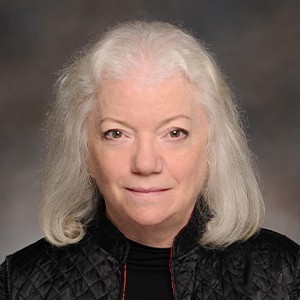
Dr. Sue Carter is a Distinguished University Scientist and Rudy Professor Emerita of Biology at Indiana University. A career biologist, Carter has studied the endocrinology of love and social bonds for more than three decades. She was the first person to detect and define the physiology of monogamy through her research on the prairie vole. These findings helped lay the foundation for the studies of behavioral and developmental effects of oxytocin and vasopressin in humans.
Show Notes
Former Executive Director of the Kinsey Institute
Contact Dr. Carter – cscarter@iu.edu